1. Start with the intended use
Every set uses 2.6 mm mini beads, the same size class as mini Perler, Hama and Artkal beads, and compatible with standard 2.6 mm pegboards.
Retailers and wholesalers can use the intended end-user scenario to decide which color range to stock.
The best color set is not automatically the largest one. A suitable set should match the projects, users, selling environment and expected price point.
Consider whether the set will be used for focused home crafting, independent creative work, a studio, organized workshops, online retail, craft retail or complex professional projects.
Color count helps define the level of choice, but the actual color composition, target customer and project type are equally important.
2. Quick overview of the nine set options
| Set | Colors | General positioning |
|---|---|---|
| Beginner | 24 | Compact entry option |
| Creative | 48 | Broader starter assortment |
| Classic | 72 | Balanced core range |
| Advanced | 96 | Regular creative use |
| Premium | 120 | Broad studio or retail range |
| Deluxe | 144 | Advanced detail and shading |
| Professional | 168 | Complex 2D and 3D work |
| Master | 192 | Near-complete coverage |
| Ultimate | 221 | Complete JoyBeans Craft range |
3. Set-by-set guide with suitable scenarios
The following sections combine the actual color composition with practical use-case positioning. These are planning directions rather than strict rules.
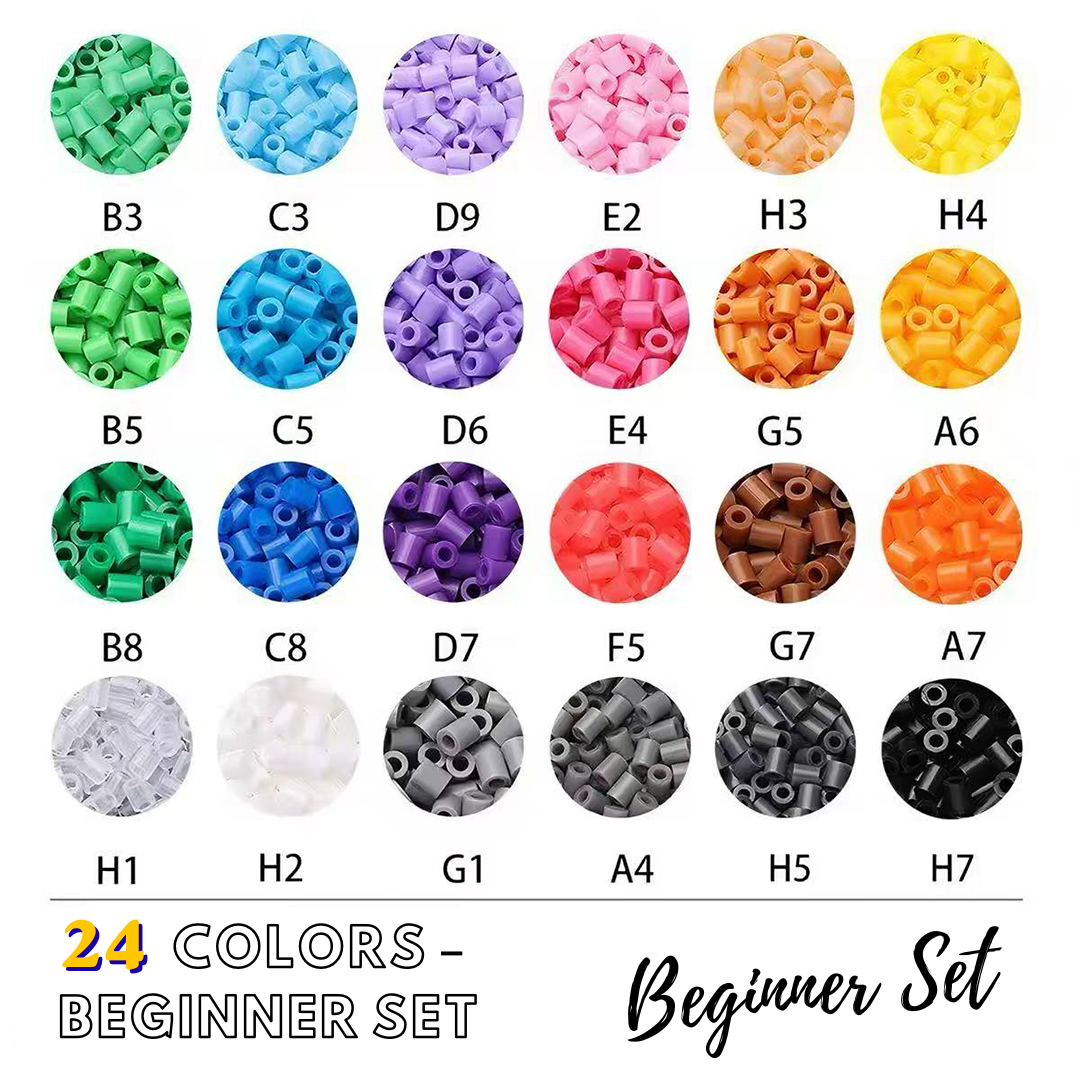
Beginner Set – 24 Colors
A compact assortment built around essential colors. It is easy to organize, simple to explain and suitable for focused projects that do not require extensive shading.
Planning direction: Use this set when the goal is a clear entry option, a compact home assortment or a lower-commitment trial product for retail.
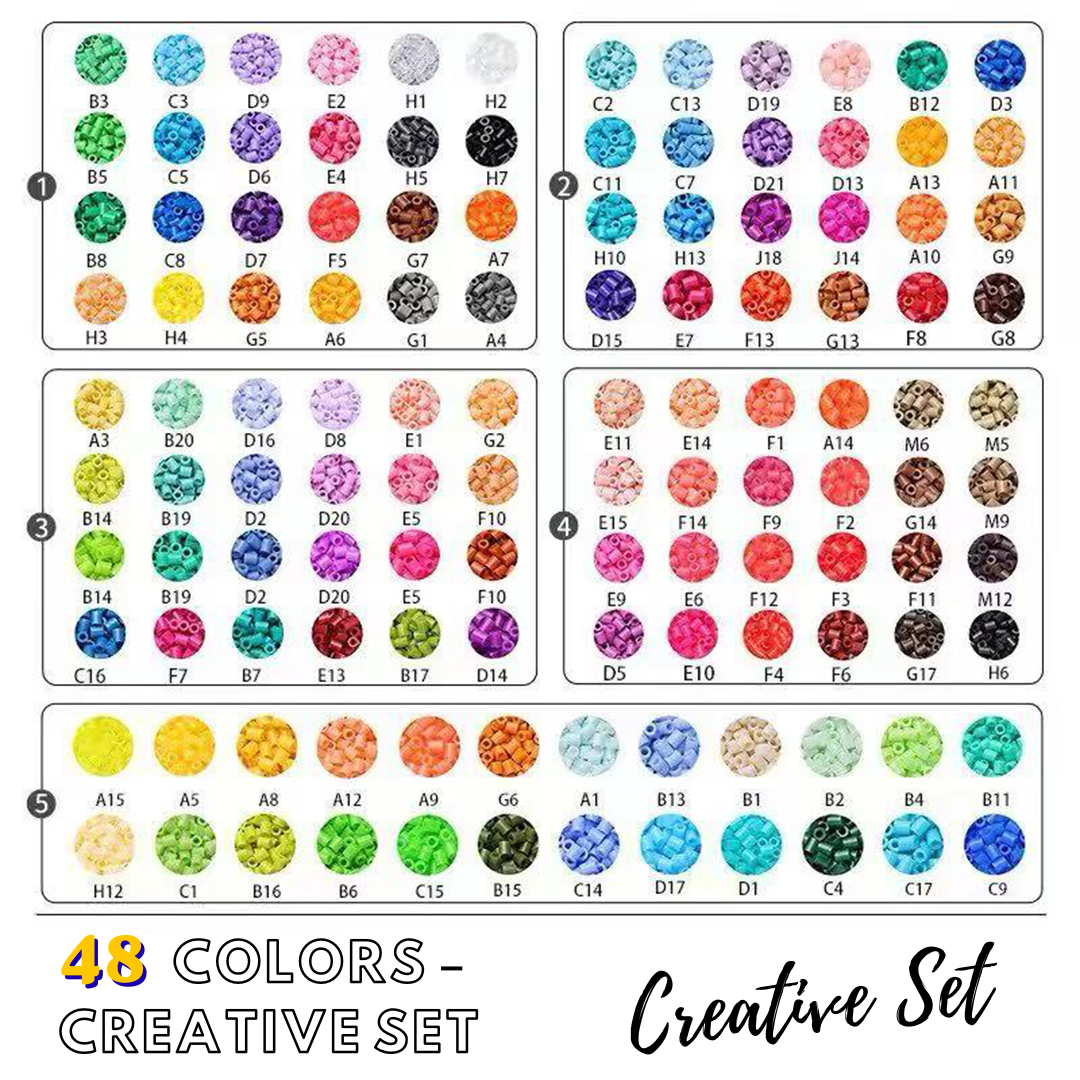
Creative Set – 48 Colors
Adds more supporting colors to the core palette, giving users a broader choice without making storage or selection too complicated.
Planning direction: A practical step up from 24 colors for customers who want more variety while keeping the set easy to use and display.
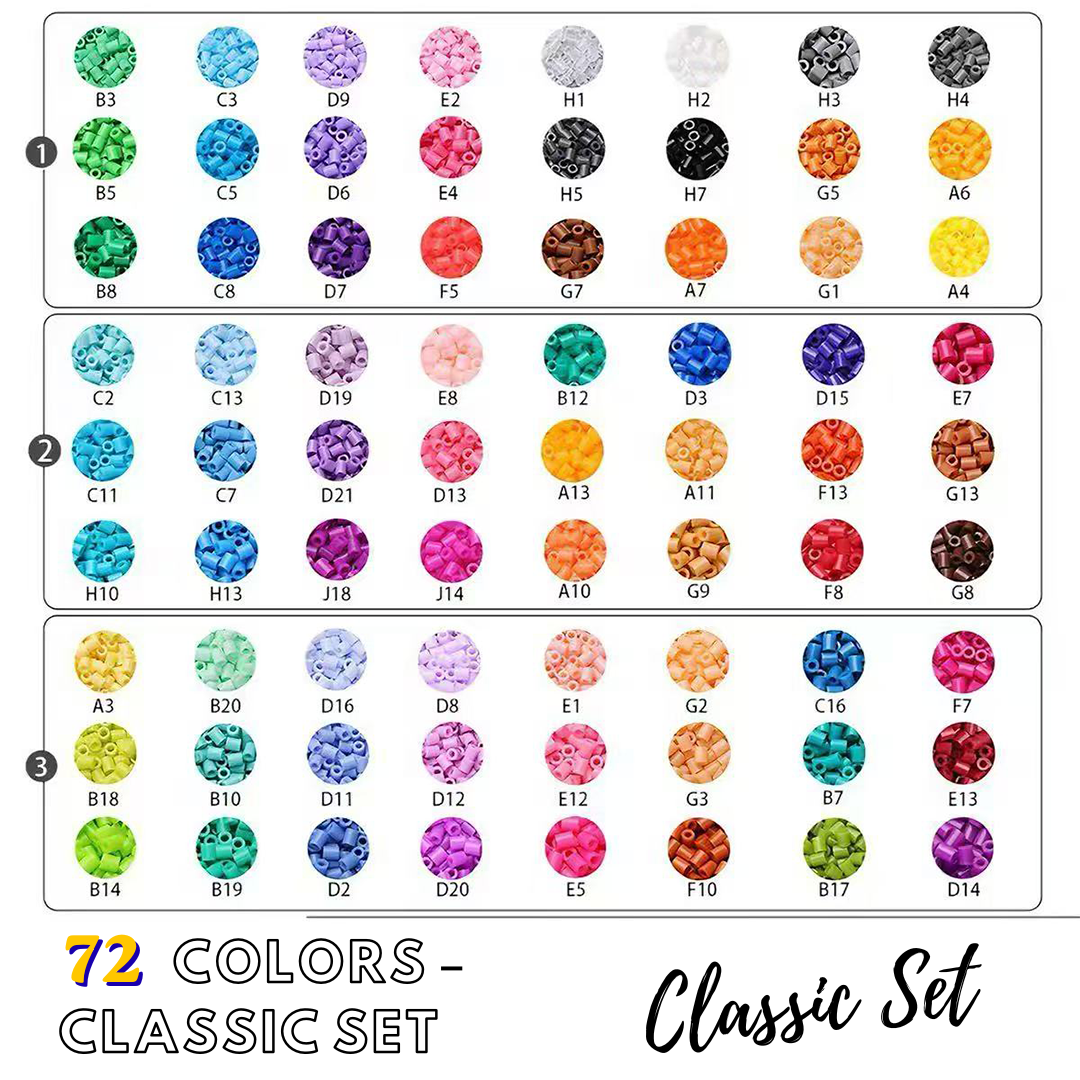
Classic Set – 72 Colors
A balanced mid-size assortment that supports a wider range of subjects, brighter combinations and basic light-to-dark color variation.
Planning direction: Suitable as a core retail option or a shared working palette for creators who make different types of small and medium projects.
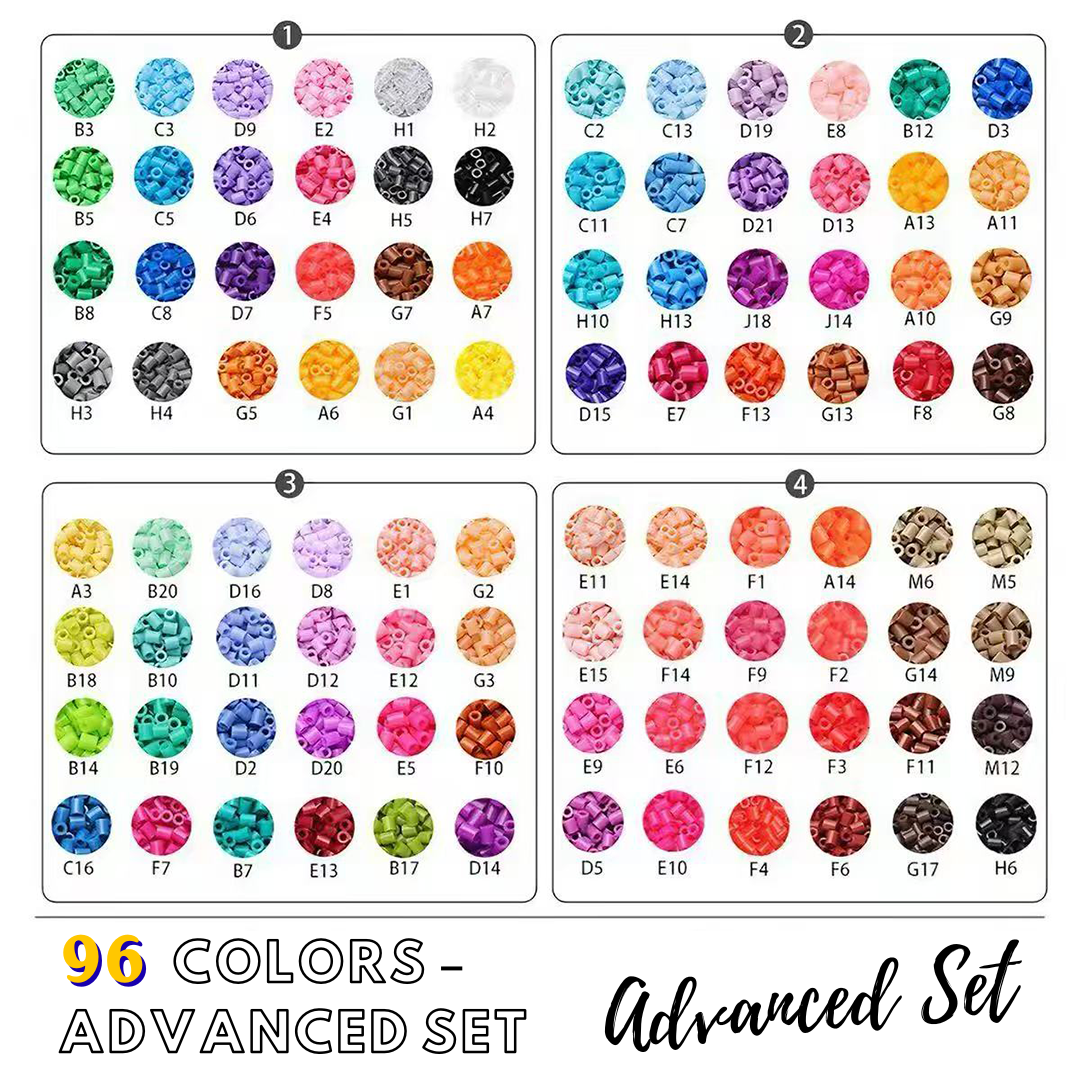
Advanced Set – 96 Colors
Provides greater flexibility for characters, themed projects and more detailed 2D work by adding more related shades and supporting colors.
Planning direction: A strong choice when customers have moved beyond basic projects and need more control over outlines, highlights and color transitions.
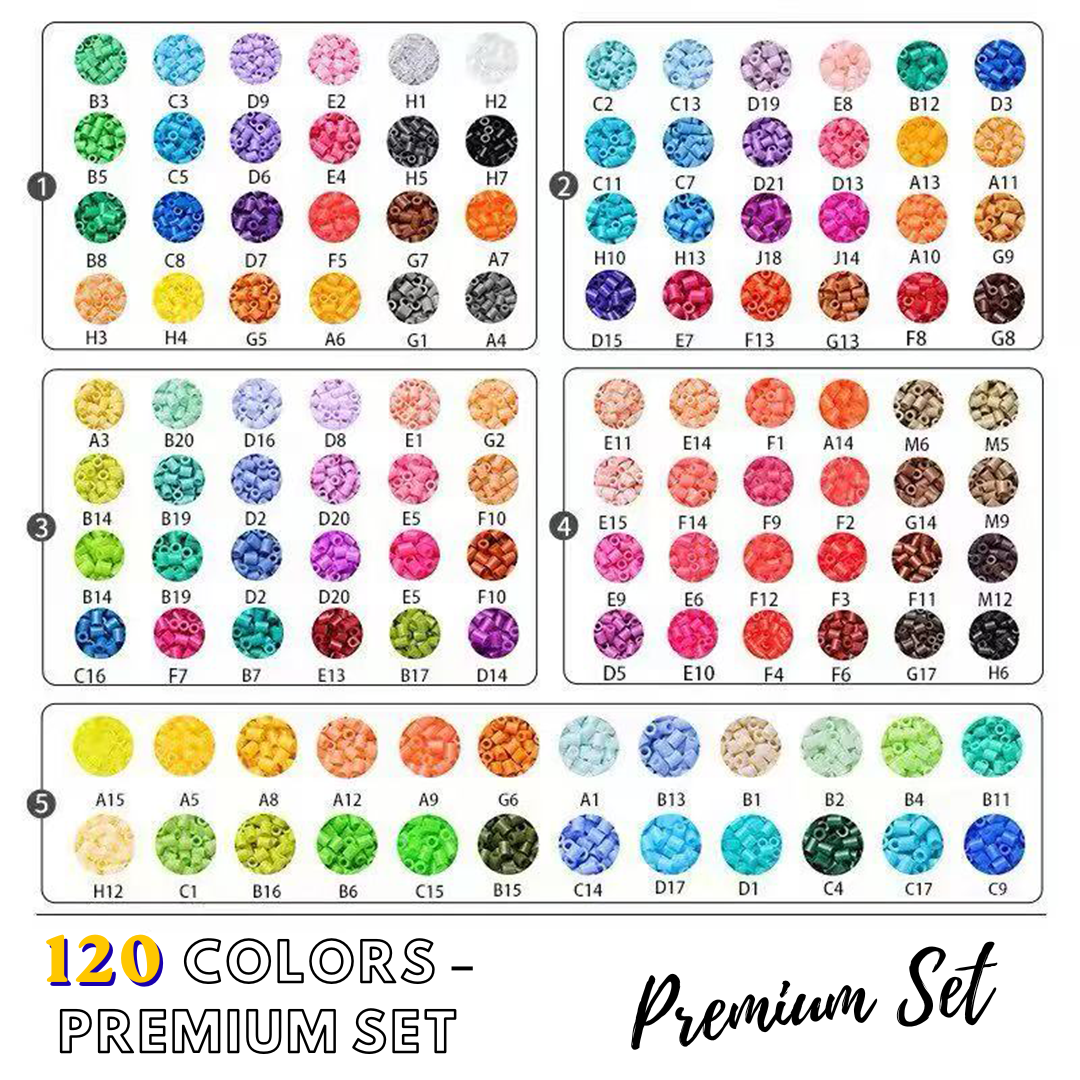
Premium Set – 120 Colors
Covers a broad range of color families and gives users more freedom to work across different subjects without immediately moving to a near-complete assortment.
Planning direction: Useful for retailers building a higher-value product tier and for studios that need a flexible shared color range.
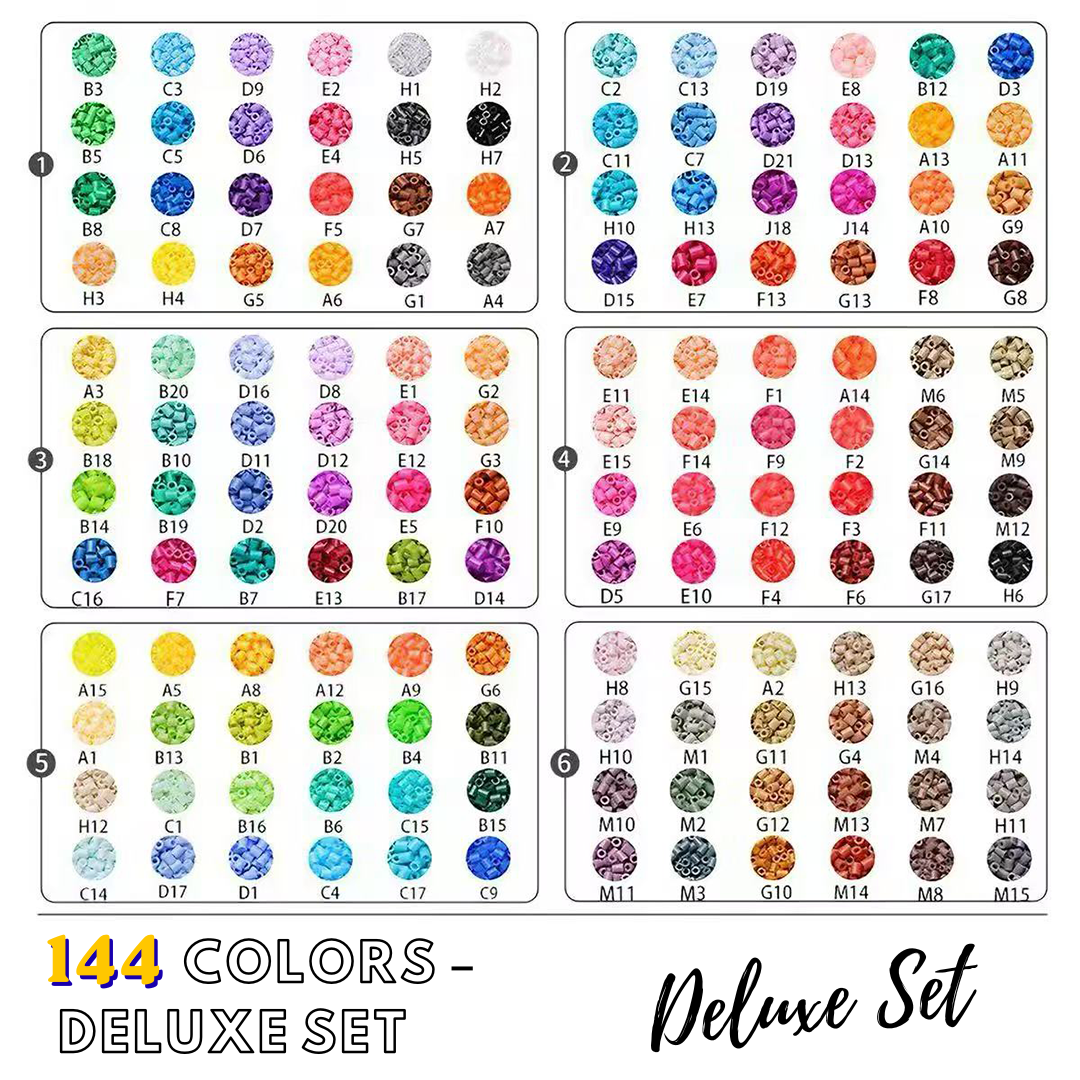
Deluxe Set – 144 Colors
Expands the palette with additional light, dark and muted shades that improve gradients, shadows and complex character or object designs.
Planning direction: Recommended when detail and color matching matter more than compact storage or a simple entry price.
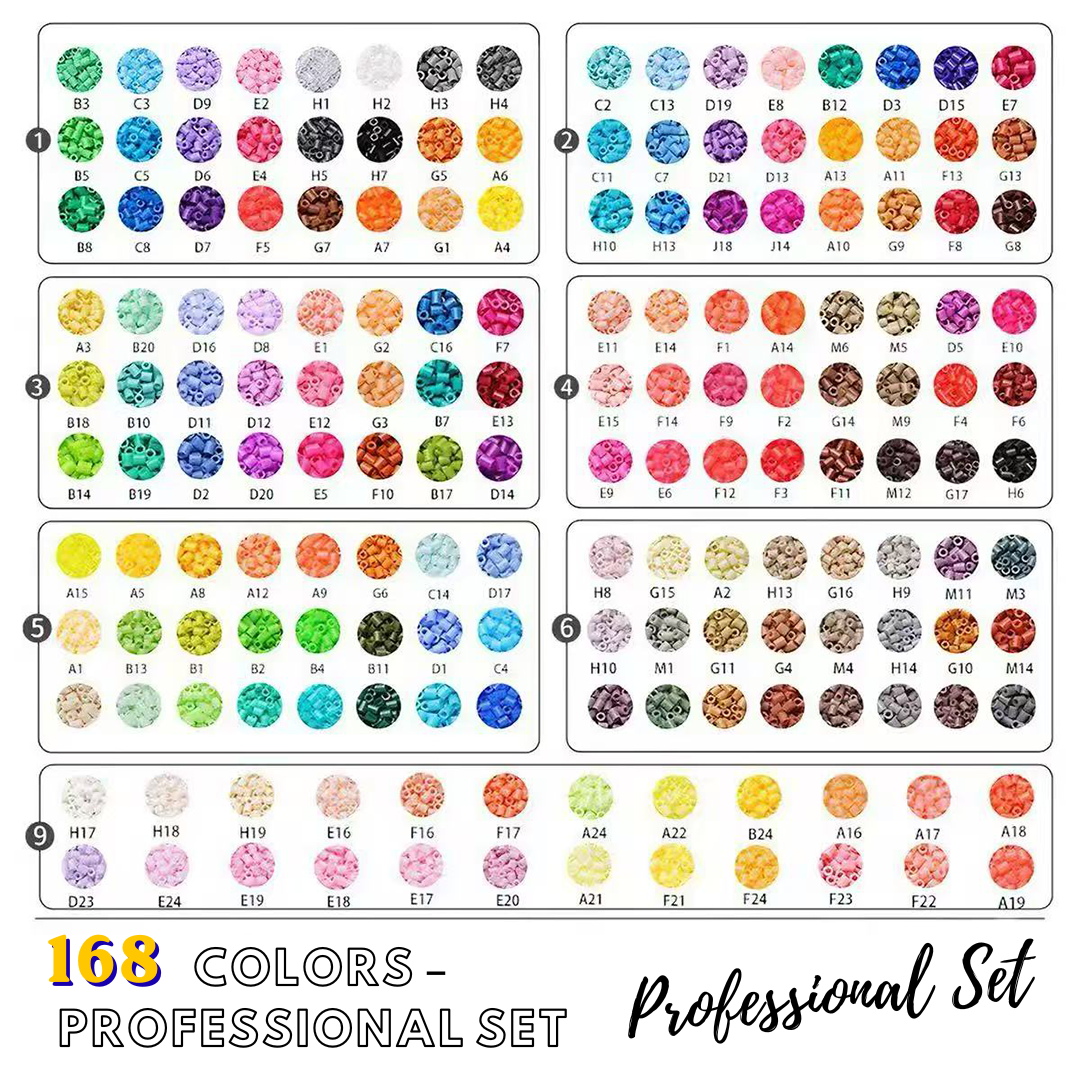
Professional Set – 168 Colors
A high-coverage assortment for creators and studios that regularly work on detailed pieces, repeated themes or multi-part 3D projects.
Planning direction: Appropriate for a professional retail tier, a serious creative workspace or users who frequently need several shades within one color family.
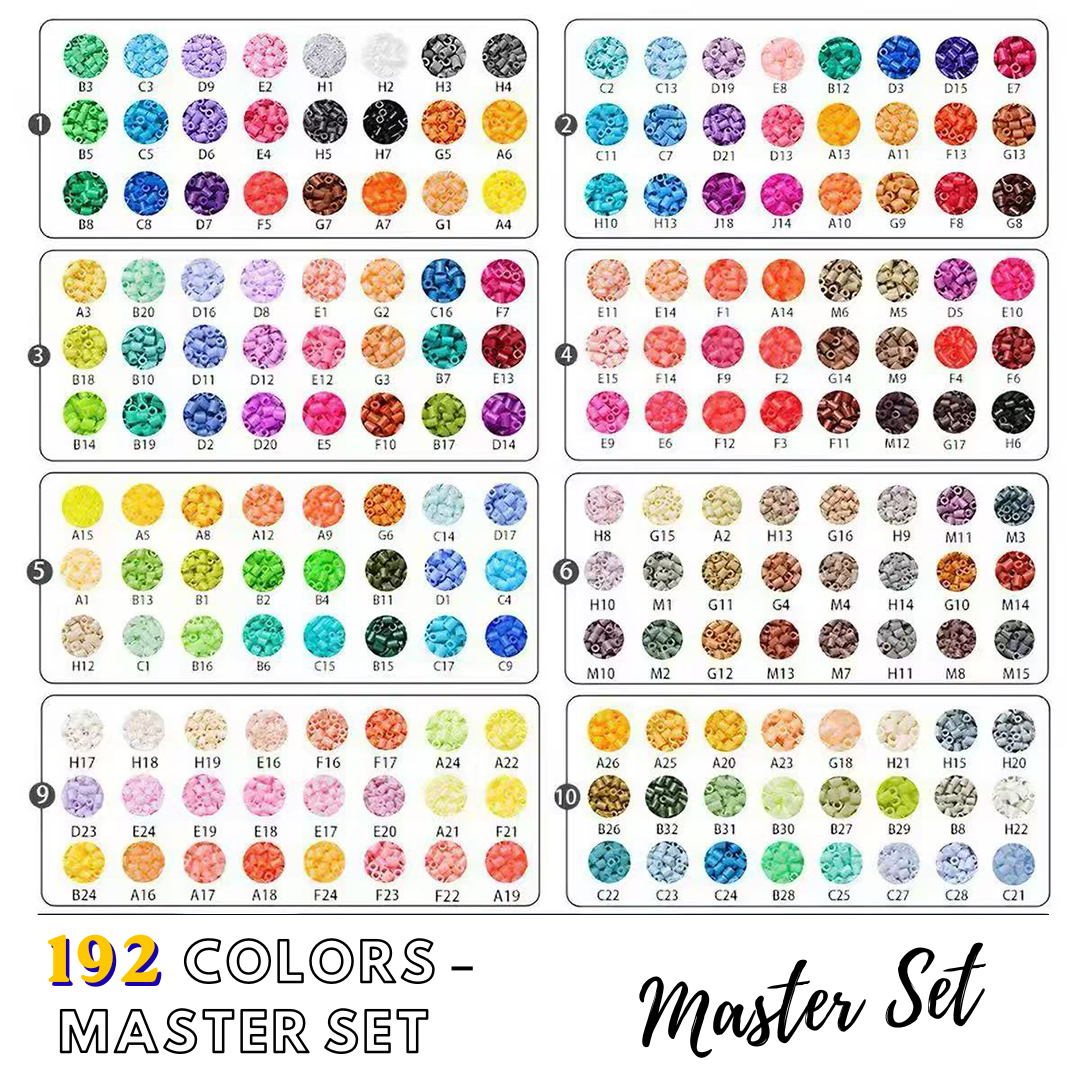
Master Set – 192 Colors
Provides near-complete access to the JoyBeans Craft color system while keeping a small step below the full 221-color range.
Planning direction: Suitable for professional creators and specialist retailers that want broad project coverage with only a limited number of colors left outside the set.
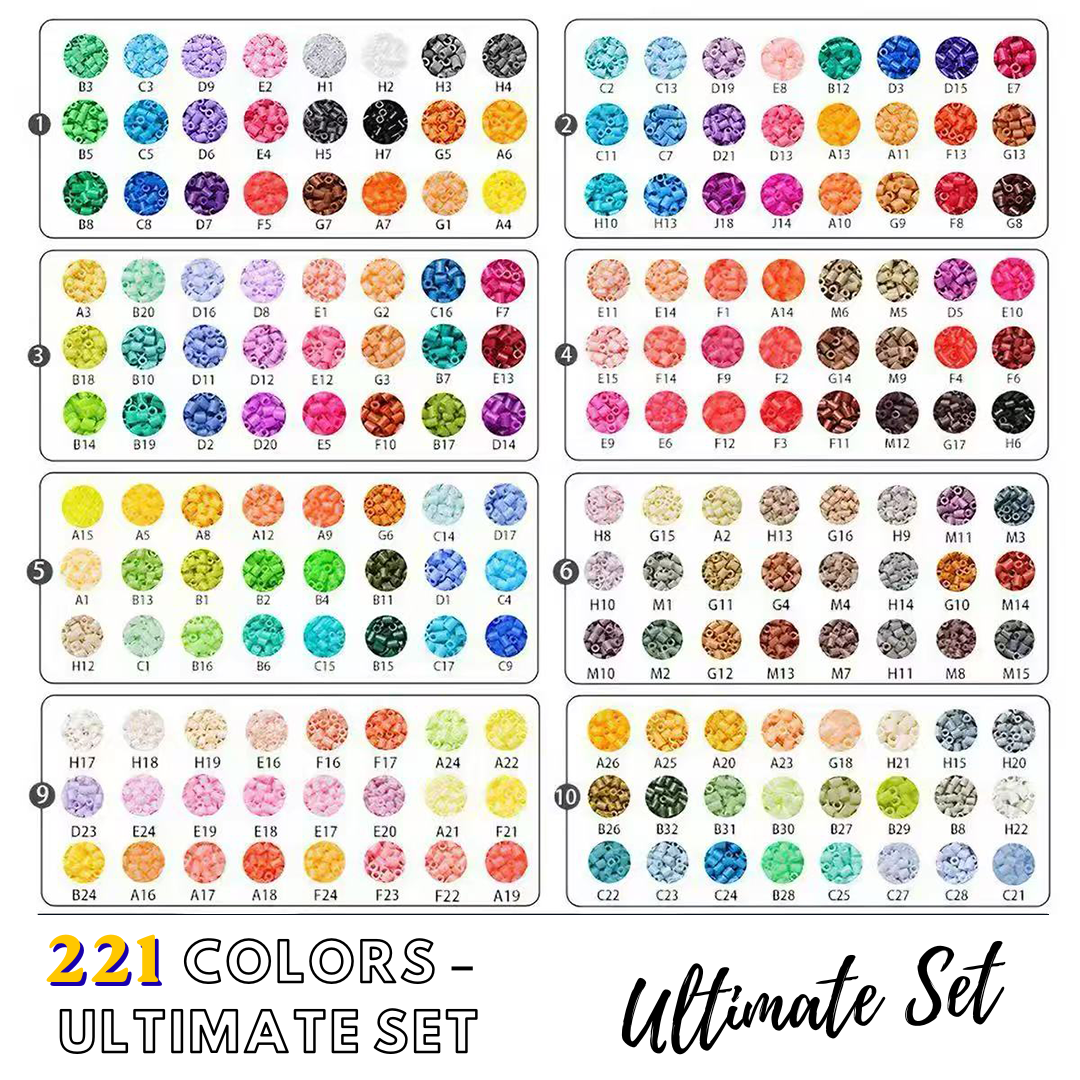
Ultimate Set – 221 Colors
The complete JoyBeans Craft assortment, covering all 221 available colors across the full color system.
Planning direction: Best for specialist retailers, studios and advanced creators who want the widest possible choice for color matching, shading, 2D artwork and 3D components.
4. Compare sets by use case
| Use case | Suggested direction | Reason |
|---|---|---|
| Focused home projects or first exploration | 24–48 colors | Simple selection and easy organization |
| General creative work and small designs | 48–96 colors | More subject variety without a very large assortment |
| Craft retail and gift-oriented sets | 72–120 colors | Clear mid-range value and broad visual choice |
| Studios and organized workshops | 96–168 colors | Supports varied themes and repeated use |
| Detailed 2D and 3D projects | 144–221 colors | More shades for gradients, shadows and components |
| Professional creators or complete retail display | 168–221 colors | Maximum flexibility and color matching |
These ranges are guidance only. The final choice should follow project style, customer demand, storage capacity and target price.
5. Build clear retail or studio tiers
Retailers can combine several set sizes into a simple product ladder: entry, core, advanced and complete. Studios can use the same structure for shared workstations, workshop kits and refill storage.
24 or 48 colors for entry, 72 or 120 colors for the core range, 144 or 168 colors for advanced use, and 221 colors as the complete option.
6. Every set is configurable
The nine sets are the configurations customers order most often, not fixed catalog items. Color composition can be adjusted for a specific market, customer group or product theme. If a 96-color set suits your price point but you need a different balance of pastels, brights or skin tones, the composition can be rebuilt around that.
7. Two packaging formats
Packaging decides how the set looks on a shelf, how much space it takes and how customers use it. Both formats hold the same color range, so the choice is about presentation and handling rather than the beads themselves.
| Format | How it works | Best suited to |
|---|---|---|
| Compartment box | Each color sits in its own molded compartment. Open the lid and every color is visible and ready to use. | Shelf-ready retail, gift positioning, workshops where users pick colors quickly |
| Bagged colors | Each color is sealed in its own bag, with the bags packed into outer boxes. Compact and easy to restock one color at a time. | Online retail, shipping-sensitive orders, customers who prefer to sort into their own storage |
Color selection works the same way in both formats. In the bagged format each bag holds approximately 10 g, which is roughly 1,000 beads at 2.6 mm.
Approximate quantities in the bagged format
| Set | Colors | Approx. weight | Approx. beads |
|---|---|---|---|
| Beginner | 24 | 240 g | 24,000 |
| Creative | 48 | 480 g | 48,000 |
| Classic | 72 | 720 g | 72,000 |
| Advanced | 96 | 960 g | 96,000 |
| Premium | 120 | 1.2 kg | 120,000 |
| Deluxe | 144 | 1.44 kg | 144,000 |
| Professional | 168 | 1.68 kg | 168,000 |
| Master | 192 | 1.92 kg | 192,000 |
| Ultimate | 221 | 2.21 kg | 221,000 |
Figures are approximate and intended for planning and shelf labelling. Compartment boxes hold a similar amount per color, with the exact fill depending on the box mold; confirmed figures are provided with your quote.
8. With or without tools
Sets can be supplied as beads only, or combined with tweezers, bead scoops, pegboards and ironing paper. Beads-only sets keep the price low and suit customers who already own the basics or who sell tools separately. Sets with tools present better as a complete gift or starter product and support a higher retail price, at the cost of one additional outer box on a full 221-color order.
9. Sets or bulk beads?
The quickest way to decide is to look at how your customers use color.
Retailers often carry both: sets as the shelf product that introduces the range, bulk colors as the refill that brings customers back. Our guide to the three sourcing formats compares them side by side.
10. Buying a set as an individual
Sets are built mainly for retailers and studios, but individual crafters can order them too. If you want the full 221-color range for your own work rather than for resale, that is possible; tell us the set size and packaging format you prefer and we will confirm what is available.
A set is the easier entry point while you are still learning which colors you reach for most. Once your usage settles and you know your codes, buying those colors in bulk by the kilo becomes the more economical route — a path plenty of serious hobbyists end up taking.
11. How quantity and pricing are confirmed
Because sets are configurable, quantity and pricing are confirmed per configuration rather than published as a single figure. Once the color count, packaging format and tool options are fixed, we can calculate accurately and confirm what is workable for your order.
12. Color-set decision checklist
Before choosing a set, define the main user, common project types, required level of shading, available storage space and whether one set or several clear tiers will be offered.
13. When to choose an image-based custom DIY kit
The nine color-count options are formal standard products. An image-based custom DIY kit is an additional project-specific option rather than a tenth fixed color set.
For this option, the buyer supplies an image or design. JoyBeans Craft reviews the project, matches suitable colors, calculates the required quantities and sorts the colors into the confirmed DIY kit box. Box specifications, optional pegboards, tools, ironing paper and labels are confirmed separately.
See Complete DIY Kits for the sourcing process and the detailed kit delivery scope.
Frequently asked questions
What packaging formats are available?
Compartment boxes, where each color sits in its own molded compartment, and bagged colors, where each color is sealed in its own bag inside outer boxes.
How many beads are in a color set?
In the bagged format each color is approximately 10 g, which is roughly 1,000 beads at 2.6 mm. A 221-color set is therefore about 2.21 kg, or around 221,000 beads.
How many outer boxes does a 221-color set need?
Two outer boxes without tools, or three when tools are included.
How many colors should a starter set have?
24 to 48 colors suits focused home crafting and trial retail. Detailed shading and gradient work generally needs 144 or more.
Are the nine sets fixed products?
They are the standard configurations. Composition can be discussed with the sales team for a specific market or customer group.
Do color sets include tools?
They can. Sets are available as beads only, or combined with pegboards, tweezers, scoops and ironing paper.
Can an individual buy a set rather than a retailer?
Yes. Sets are built mainly for retailers and studios, but individual crafters can order them, including the full 221-color range.
What size are the beads in every set?
All sets use 2.6 mm mini beads, the same size class as mini Perler, Hama and Artkal beads.